Building roads in desert regions like Saudi Arabia is not just about laying asphalt. It is about managing extreme heat, fine sand, strong winds, and long transportation distances. Many contractors quickly realize that a standard asphalt plant may not perform well in such harsh conditions. Therefore, choosing the right asphalt mixing plant becomes a critical decision that directly affects project quality, cost, and timeline.
In this article, we will break down what type of local asphalt plant works best in desert environments. More importantly, we will explain why certain features matter and how they solve real challenges faced on job sites in Saudi Arabia.
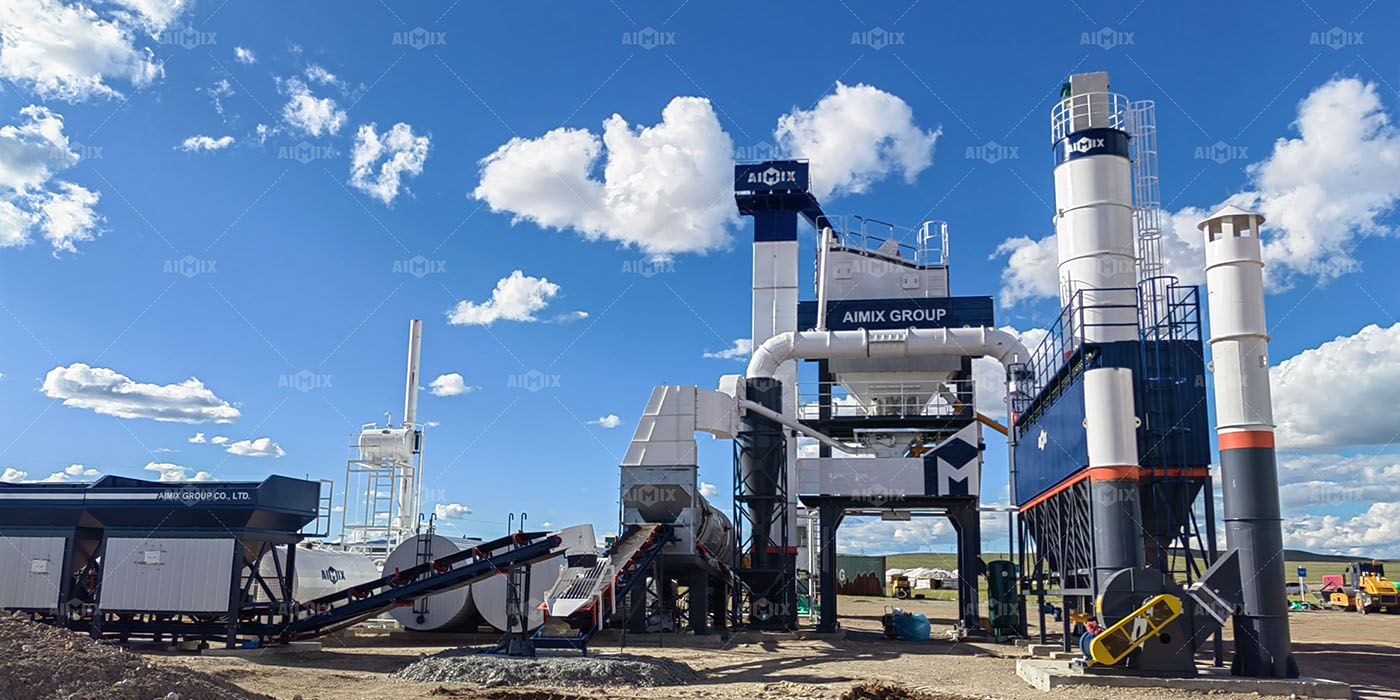
Understanding The Challenges Of Desert Construction
Before selecting a plant, it is important to understand the working environment. Desert conditions are very different from normal construction sites. These differences create unique technical and operational challenges.
First, extreme temperatures often exceed 45°C. This heat affects equipment performance and asphalt quality. Second, sand and dust easily enter machines, which can cause wear and blockages. Third, water scarcity makes it harder to control dust and clean aggregates. Finally, project locations are often remote, so logistics and fuel efficiency become key concerns.
Because of these factors, contractors need more than just production capacity. They need reliability, adaptability, and cost control. This leads us to the next question: what type of asphalt plant can meet these demands?
Why Standard Asphalt Plants May Not Work Well
At first glance, a standard asphalt plant might seem sufficient. However, in desert environments, several limitations quickly appear.
For example, traditional plants may struggle with dust control. Fine sand can clog filters and reduce efficiency. In addition, high ambient temperatures can reduce cooling efficiency in key components. As a result, breakdown risks increase.
Moreover, fuel consumption often rises in desert conditions. Dry aggregates require more heating, especially when temperature differences are large between day and night. Therefore, operating costs can quickly go out of control if the plant is not optimized.
Because of these limitations, contractors should consider specialized or enhanced asphalt plant configurations designed for harsh climates.
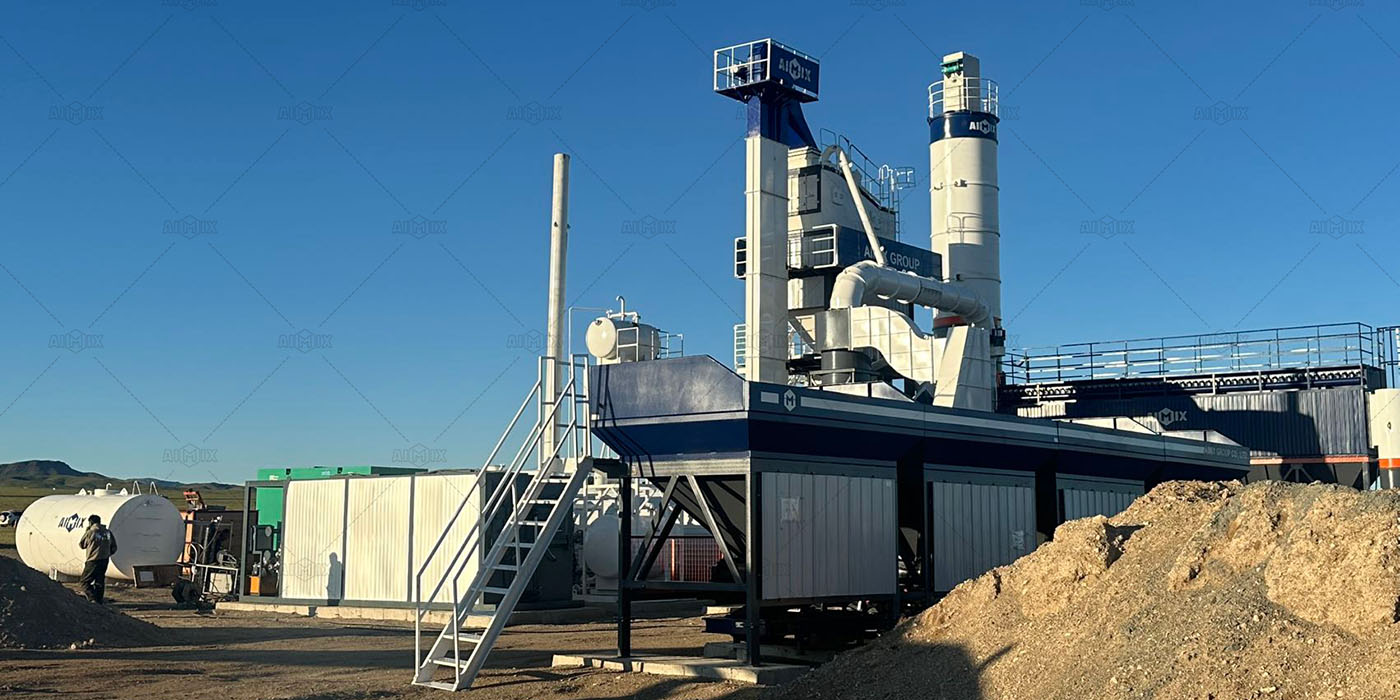
Key Features Of Asphalt Plants For Desert Conditions
Now that we understand the challenges, let’s explore the essential features that make an asphalt plant suitable for Saudi Arabia’s desert environment.
Efficient Drying System For High Temperatures
First and foremost, the drying system must handle extreme heat efficiently. A high-performance drying drum with optimized flight design improves heat exchange. This allows aggregates to heat evenly without wasting fuel.
In addition, insulation plays a critical role. Well-insulated drums and pipelines reduce heat loss. As a result, the stationary asphalt mixing plant maintains stable production while lowering fuel consumption.
Advanced Dust Collection System
Next, dust control becomes a top priority. Desert environments produce large amounts of fine particles. Therefore, a powerful dust collection system is essential.
Baghouse filters with high-temperature resistance work best in this case. They capture fine dust effectively and protect internal components. At the same time, they help meet environmental regulations, which are becoming stricter in Saudi Arabia.
Reliable Cooling And Heat Resistance
Another important factor is heat resistance. Electrical components, control systems, and hydraulic parts must withstand high temperatures.
For example, using heat-resistant cables and industrial-grade control panels can prevent failures. In addition, proper ventilation and cooling systems ensure stable operation even during peak summer conditions.
Sand And Wind Protection Design
Furthermore, strong winds and sandstorms require additional protection. Enclosed structures and sealed systems help reduce sand intrusion.
For instance, covered conveyor belts and enclosed aggregate bins prevent contamination. This not only protects equipment but also improves asphalt mix quality.
Energy Efficiency And Fuel Flexibility
Finally, energy efficiency is crucial in remote desert projects. Fuel supply can be expensive and inconsistent. Therefore, plants that support multiple fuel types, such as diesel, heavy oil, or gas, provide greater flexibility.
At the same time, energy-saving technologies reduce operating costs over the long term. This gives contractors a strong competitive advantage.
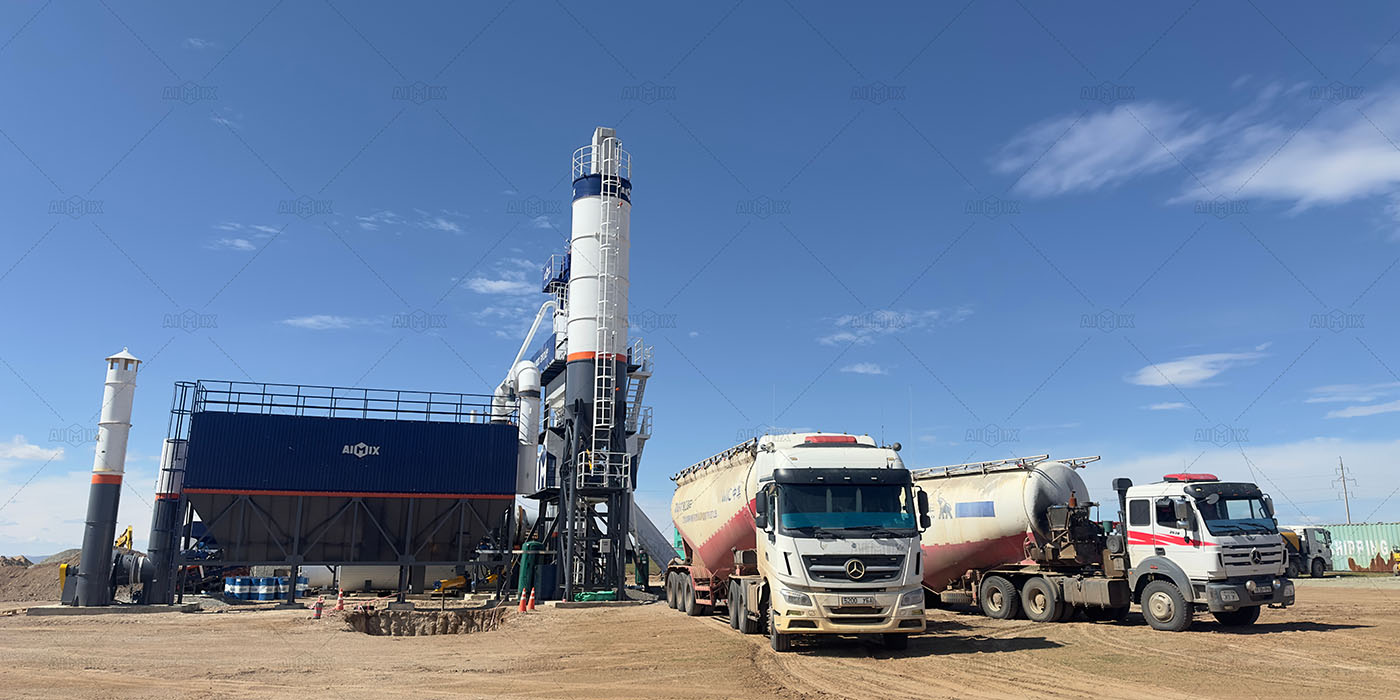
Batch Asphalt Plant Vs Drum Mix Plant In Desert Areas
After understanding the key features, the next step is choosing the right type of plant. Generally, contractors consider two main options: batch asphalt plants and drum mix plants.
At this stage, it is useful to review different configurations, such as a stationary asphalt mixing plant, which is widely used in large-scale desert highway projects due to its stability and high capacity.
Batch Asphalt Plant Advantages
Batch plants offer precise control over mix proportions. This makes them ideal for high-grade highway projects in Saudi Arabia.
In addition, they allow quick adjustment of asphalt formulas. This flexibility is useful when project specifications change. However, batch plants are more complex and may require higher maintenance.
Drum Mix Plant Advantages
On the other hand, continuous production solutions like an asphalt drum mixing plant are often preferred in desert areas because of their simpler structure and lower fuel consumption.
Moreover, their structure is more compact. This reduces installation time and transportation costs. As a result, many contractors prefer drum plants for desert applications.
So, which one is better? The answer depends on your project requirements. If you need flexibility and precision, choose a batch plant. If you focus on cost and continuous output, a drum mix plant may be the better option.
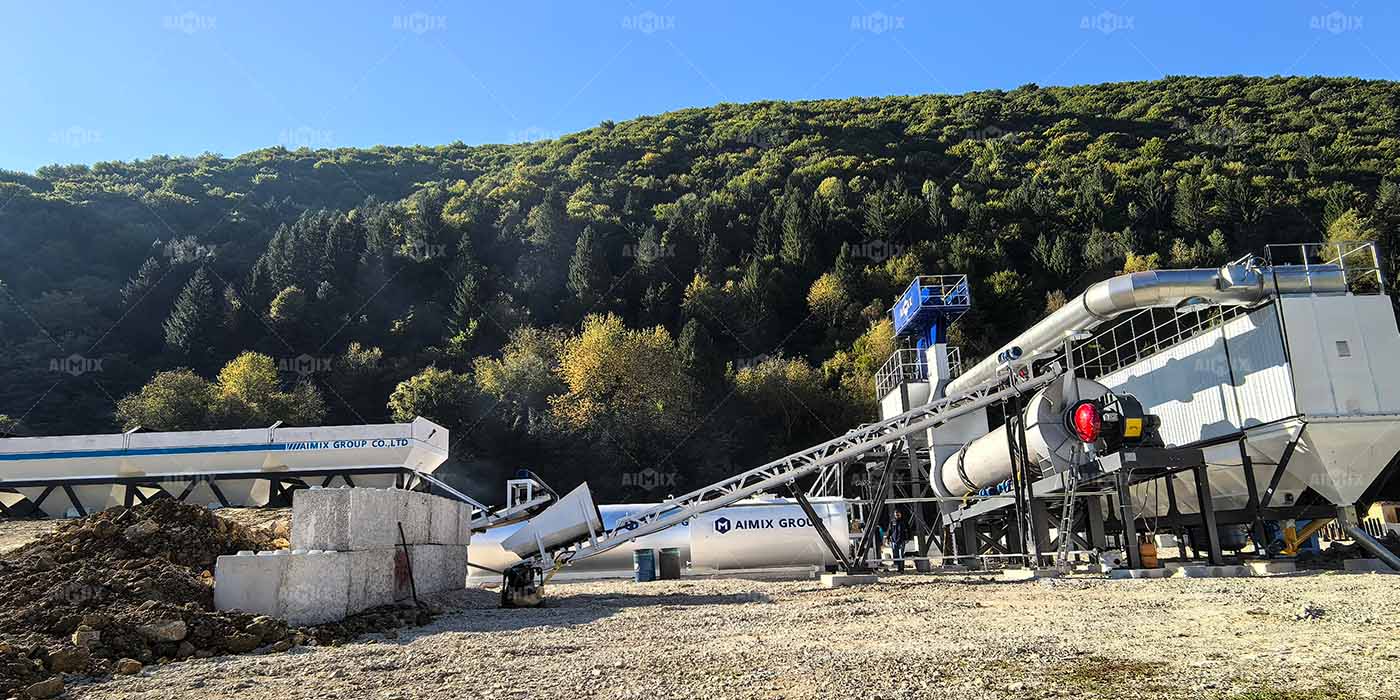
Mobile Vs Stationary Asphalt Plants In Desert Projects
In addition to plant type, mobility also plays an important role. Desert projects often cover large areas, so plant location can affect efficiency.
When planning long-term infrastructure, working with a reliable asphalt mixing plant supplier helps ensure you select the right configuration based on your project scale and environmental conditions.
Mobile Asphalt Plants
Mobile plants are easy to transport and install. They work well for short-term or multi-location projects. In desert regions, this flexibility helps reduce material transport distance.
As a result, contractors save both time and fuel. However, mobile plants may have lower capacity compared to stationary ones.
Stationary Asphalt Plants
Stationary asphalt mixing plant can offer higher production capacity and stability. They are suitable for long-term infrastructure projects such as highways and airports.
Although installation takes more time, they deliver consistent performance. Therefore, they are often used in major government projects in Saudi Arabia.
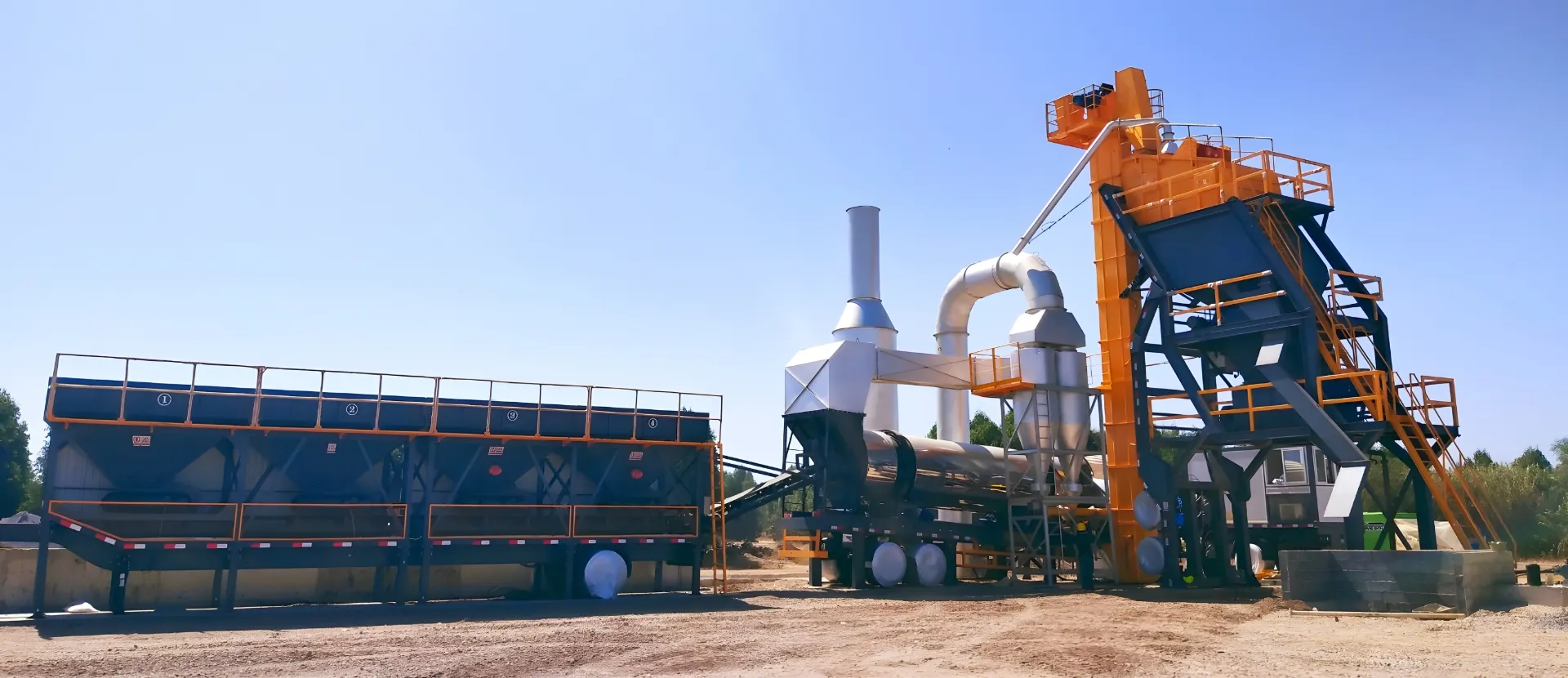
Real Project Considerations From Contractors
From a contractor’s perspective, choosing the right plant is not just about specifications. It is about solving real problems on site.
For example, many contractors search for a reliable local asphalt plant solution that can be deployed quickly and supported efficiently in remote desert regions.
In addition, transportation logistics matter a lot. Remote locations require careful planning for equipment delivery and installation. A modular design can significantly simplify this process.
Furthermore, local support and spare parts availability are critical. Without timely service, even the best equipment can become a risk.
How To Choose The Right Asphalt Plant Supplier
After selecting the right type of plant, the next step is choosing a reliable asphalt mixing plant supplier. This decision directly affects your project success.
First, look for suppliers with experience in desert projects. They understand local challenges and can provide practical solutions. Second, evaluate the quality of components and manufacturing standards.
Next, consider after-sales service. A strong support team ensures quick response and technical assistance. Finally, check real project cases to verify performance.
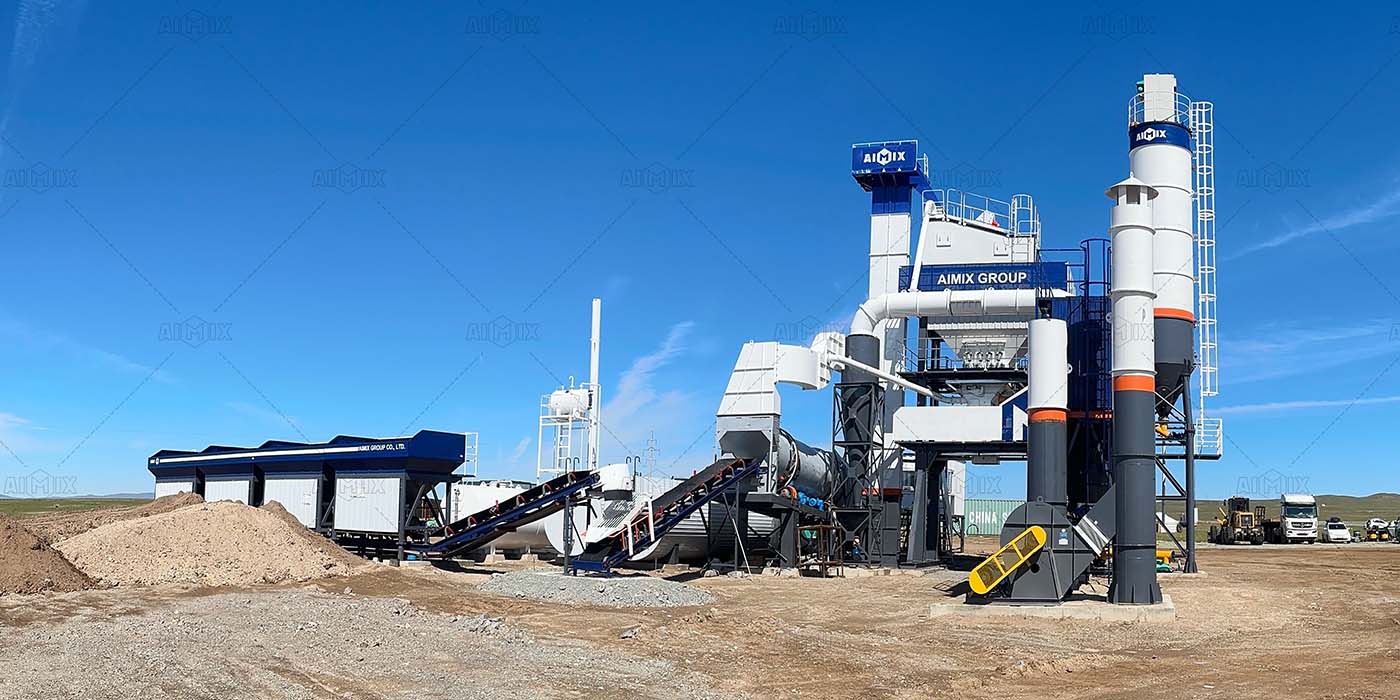
Conclusion: Make The Right Investment For Long-Term Success
In conclusion, desert conditions in Saudi Arabia demand more from asphalt plants. Standard equipment often falls short under extreme heat, dust, and remote logistics challenges. Therefore, contractors should focus on plants with strong drying systems, effective dust control, heat resistance, and energy efficiency.
At the same time, choosing between batch and drum mix plants depends on your project goals. Mobile or stationary options should match your project scale and duration. Most importantly, always consider real operational needs rather than just technical specifications.
If you are planning a road project in Saudi Arabia or similar desert regions, now is the time to evaluate your equipment strategy. The right asphalt plant will not only improve your efficiency but also protect your investment in the long run.
Contact us today to get a customized asphalt plant solution tailored for your desert project. Let’s help you build roads that last, even in the toughest environments.