For contractors operating in regions with diverse project scales, such as urban micro-repairs versus suburban road paving, effectively matching the functional configuration of a mini asphalt mixing plant with mini hot mix plant cost and asphalt plant cost is essential. This alignment ensures that operators address localized needs in asphalt mixing plants without over-investment. This article discusses strategies for achieving this balance, focusing on project requirements, equipment capabilities, and financial considerations.
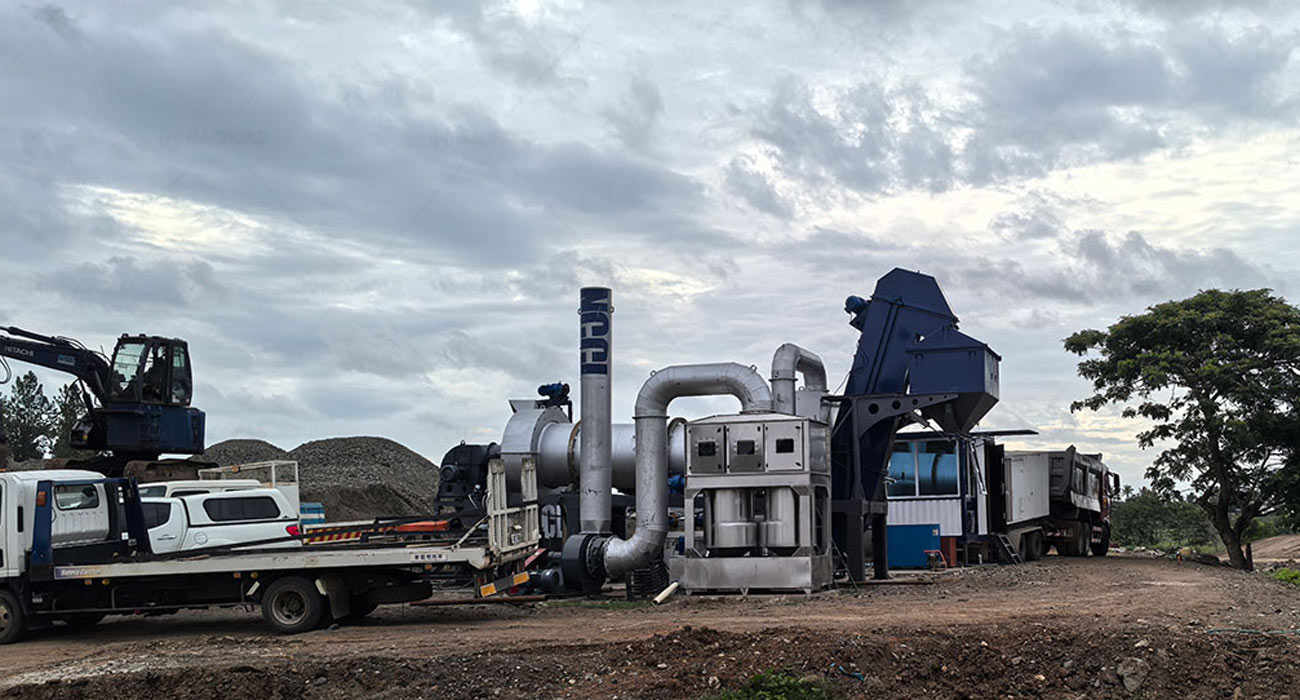
Understanding Project Requirements
Establishing a clear understanding of project requirements is the first step for contractors seeking to optimize their asphalt production capabilities. The difference in project scales—urban micro-repairs generally requiring smaller quantities of asphalt compared to suburban road paving—means that the choice of equipment directly affects efficiency, cost, and project timelines.
In urban settings, the flexibility and compact size of a mini asphalt mixing plant make it an ideal choice for micro-repairs. These plants can be easily transported and operated in confined spaces, ensuring that projects can be completed swiftly and with minimal disruption. On the other hand, suburban paving projects may benefit from a larger capacity; thus, assessing the specific demands of each project scenario is crucial in determining the right mix of equipment.
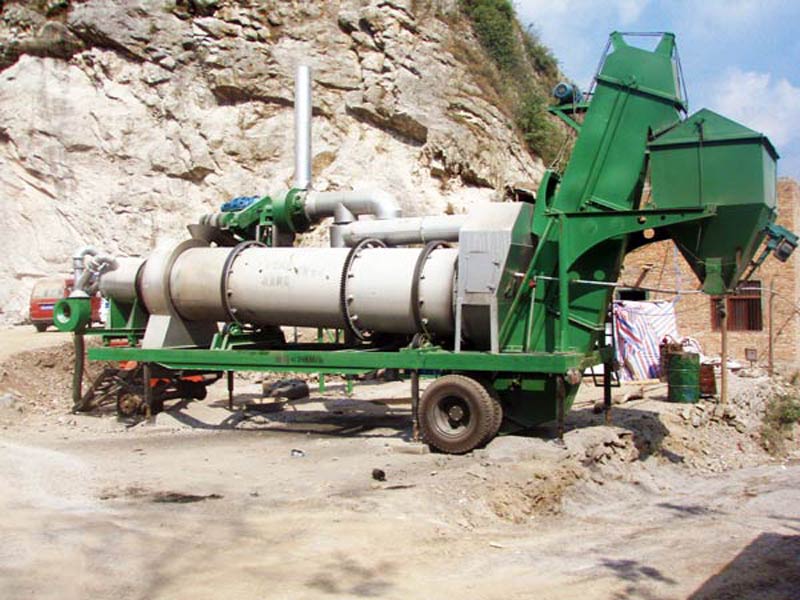
Evaluating Equipment Capabilities
Once contractors understand their project requirements, they can evaluate the capabilities of a mini asphalt mixing plant. Asphalt mixing plants are designed to be agile and adaptable, enabling efficient operations without sacrificing quality. Their ability to produce high-quality asphalt in smaller batches aligns well with the needs of localized projects.
However, contractors must also consider the differences in cost between mini hot mix plants and larger asphalt plants. While mini hot mix plant cost may be lower, it can sometimes compromise on certain operational features, such as production speed or automation. Identifying the necessary features in a mini asphalt mixing plant that align with both project requirements and budget constraints will ensure that contractors don’t overspend on capabilities they do not need.
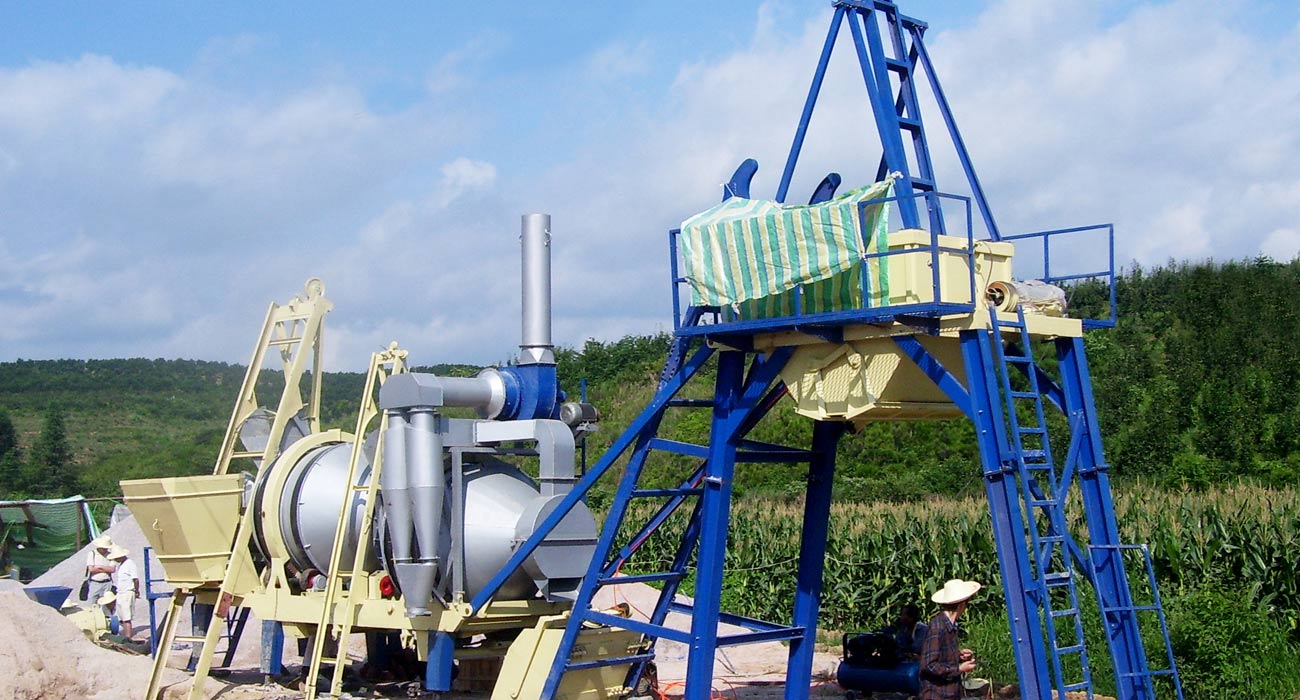
Analyzing Cost Implications
Understanding the financial implications of choosing the right equipment is essential for effective investment. Contractors need to assess asphalt plant cost in relation to the specific needs of their projects. While the upfront cost is an important factor, long-term operational costs—including maintenance, labor, and energy consumption—should also be taken into account.
A well-configured mini asphalt mixing plant may have a higher initial cost but can lead to greater savings over time by increasing efficiency and reducing waste. Conversely, opting for a less expensive model that does not meet project demands can result in inefficiencies and higher costs in the long run. Taking a holistic view of costs will support contractors in making sound financial decisions.
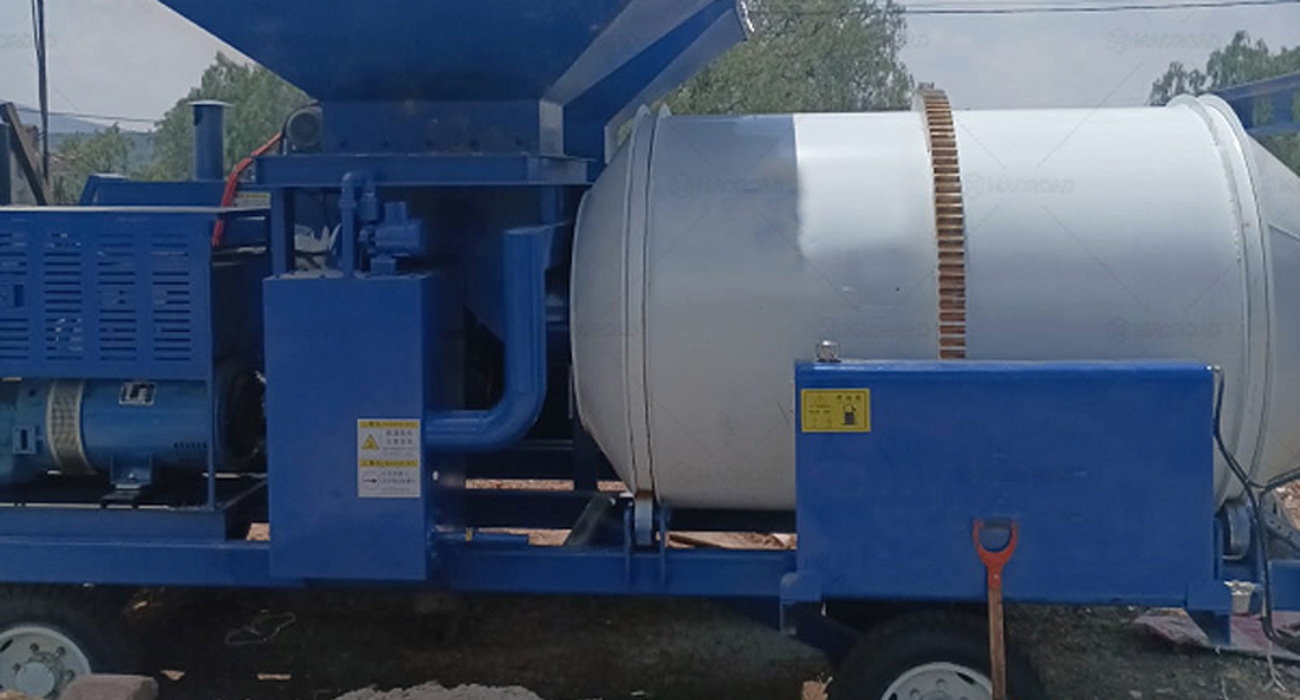
Strategic Decision-Making for Equipment Selection
To avoid over-investment, contractors must adopt a strategic approach to equipment selection. This involves not only assessing the current project’s needs but also considering the potential for future projects. A flexible, well-configured mini asphalt mixing plant can serve various purposes across a range of projects, making it a valuable long-term investment.
One effective strategy is to analyze previous project data to determine average asphalt quantities and quality requirements. Learning from past experiences can inform decisions on the adequate capacity and features needed from a mini asphalt mixing plant. Additionally, engaging with suppliers can provide insights into the latest technologies and functionalities tailored to the contractor’s needs.
Conclusion
In conclusion, for contractors operating in regions with diverse project scales, effectively matching the functional configuration of a mini hot mix plant cost is crucial for meeting localized needs without over-investment. By understanding project requirements, evaluating equipment capabilities, and analyzing cost implications, contractors can make informed decisions that optimize their asphalt production processes. This strategic approach ensures not only that contractors remain competitive but also that they maximize their investment in asphalt mixing plants while meeting the demands of their projects efficiently.