Purchasing a double girder overhead crane is a significant investment for any industrial facility. The cost can vary widely depending on specifications, supplier, and additional services. Comparing prices is not as simple as looking at the total number; it requires understanding the factors that influence cost, evaluating supplier offerings systematically, and considering long-term value. This article provides a structured guide on how to compare double girder overhead crane prices effectively.
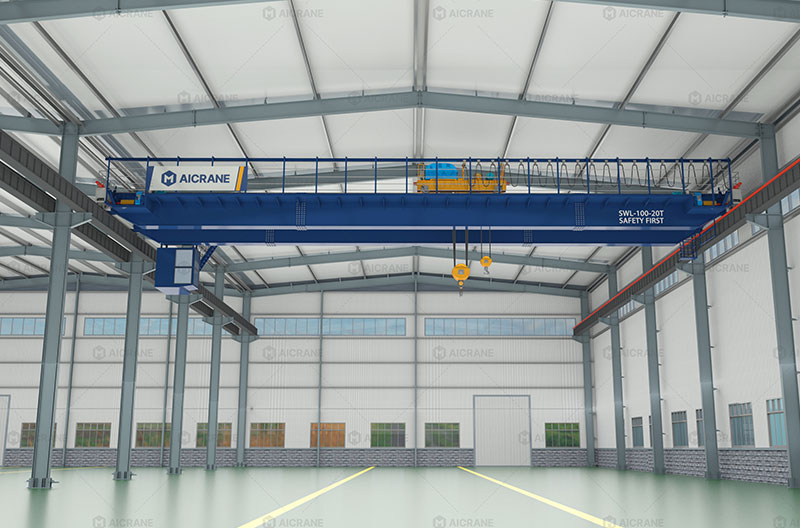
1. Understand Key Factors Affecting Crane Prices
Before comparing suppliers, it is crucial to identify the main elements that determine a double girder overhead crane price. This allows buyers to make informed comparisons and avoid misleadingly low quotes.
1.1 Lifting Capacity
The rated lifting capacity is the most significant cost driver. A higher tonnage requires stronger steel structures, more powerful motors, and robust hoists. Even small increases in lifting capacity can have a disproportionate effect on cost because of the additional material and engineering requirements.
1.2 Span Length
The span, or the distance between runway rails, affects the amount of steel needed for the bridge girders. Longer spans require heavier and more reinforced structures to maintain stability and safety, which increases fabrication and material costs.
1.3 Lifting Height
Higher lifting heights necessitate longer hoist ropes, larger drums, and more powerful motors. Additional structural reinforcement may also be required, leading to higher costs.
1.4 Duty Classification
The duty classification determines how frequently and under what conditions the crane will operate. Cranes designed for heavy-duty or continuous use must have more durable components, superior brakes, and advanced safety systems, which all contribute to higher costs.
1.5 Hoist and Trolley Type
Wire rope hoists are generally more expensive than chain hoists, especially for high-capacity heavy duty overhead cranes. Special hoists, such as explosion-proof or precision-controlled hoists, also significantly increase cost.
1.6 Control and Drive System
The type of control system affects both initial price and long-term efficiency. Cranes with variable frequency drives (VFD), PLC controls, or remote operation systems are more expensive but offer smoother operation and energy savings.
1.7 Environmental and Special Features
Cranes designed for outdoor use, corrosive environments, or high-temperature conditions require special coatings, materials, or additional protection, which increase cost. Additional features such as operator cabins or automation also add to the total price.
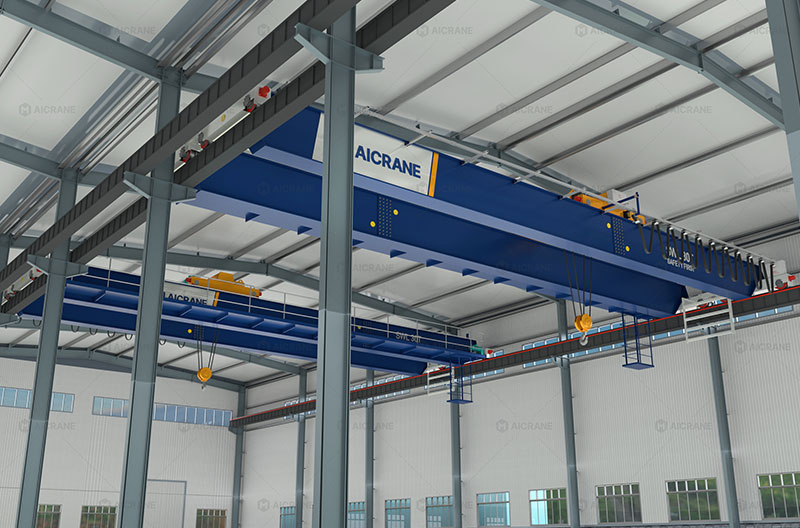
2. Request Detailed Quotes From Suppliers
When approaching multiple suppliers, it is essential to request comprehensive quotes. A vague or lump-sum price makes comparison difficult and can hide significant differences in quality or included services.
2.1 Provide Clear Specifications
Supply each vendor with the exact specifications required, including:
-
Lifting capacity
-
Span and lifting height
-
Duty classification
-
Hoist and trolley type
-
Control system and number of speeds
-
Environmental conditions
-
Special features
-
Certification requirements
-
Delivery and installation preferences
Providing identical specifications ensures a fair comparison between suppliers.
2.2 Ask for Itemized Pricing
Request a detailed breakdown of the total price. Key items to include:
-
Structural steel and main girders
-
End trucks and wheel assemblies
-
Hoist and trolley system
-
Motors, drives, and controls
-
Electrical panels
-
Coating or corrosion protection
-
Testing and quality assurance
-
Shipping and logistics
-
Installation and commissioning
-
Spare parts package
This level of detail allows you to see exactly where costs differ and identify potential areas for negotiation.
2.3 Clarify Payment and Lead Time
Compare payment terms, including deposit requirements, milestone payments, and final payment conditions. Consider production lead times, as a cheaper crane with a longer delivery schedule may impact project timelines.
3. Evaluate Supplier Reliability
Price alone does not guarantee a successful purchase. Supplier reliability and support are critical for long-term performance.
3.1 Experience and Track Record
Consider how long the supplier has been manufacturing double girder eot cranes, the number of similar projects completed, and customer feedback. Experienced suppliers are less likely to produce design or quality issues.
3.2 Quality Assurance and Testing
Ensure the supplier performs load testing, structural inspections, and quality control measures. A low-cost crane without adequate testing may fail early or require costly maintenance.
3.3 Warranty and After-Sales Support
Compare warranty terms, coverage, and duration. Evaluate availability of spare parts and maintenance support. Suppliers with robust after-sales services may charge more upfront but reduce long-term operational risk.
4. Consider Total Cost of Ownership
Comparing prices should go beyond the initial purchase. Total cost of ownership includes operating and maintenance costs, energy consumption, and potential downtime.
4.1 Operating Costs
Consider energy consumption, lubrication, and routine maintenance. Advanced control systems may reduce energy costs despite higher initial investment.
4.2 Maintenance and Spare Parts
A cheaper crane might require more frequent maintenance or have higher spare part costs, which can offset initial savings.
4.3 Downtime Risk
Evaluate the reliability of the supplier and components. A crane prone to breakdowns can disrupt production and lead to significant indirect costs.
5. Benchmark and Negotiate
Once detailed quotes and evaluations are collected, compare them against typical market expectations for the specifications provided. Identify areas where one supplier charges significantly more or less than competitors.
Negotiation strategies include:
-
Requesting added value (spare parts, extended warranty, installation support) rather than just a lower price
-
Discussing staged deliveries or modular options to reduce upfront cost
-
Using multiple quotes to encourage competitive pricing
Conclusion
Comparing double girder overhead crane prices between suppliers is more than looking at the number on the quotation. A structured approach requires understanding cost drivers, requesting detailed specifications, evaluating supplier reliability, and considering total cost of ownership. By following this process, buyers can make an informed choice that balances price, performance, safety, and long-term value, ensuring that the crane meets operational needs efficiently and reliably.